
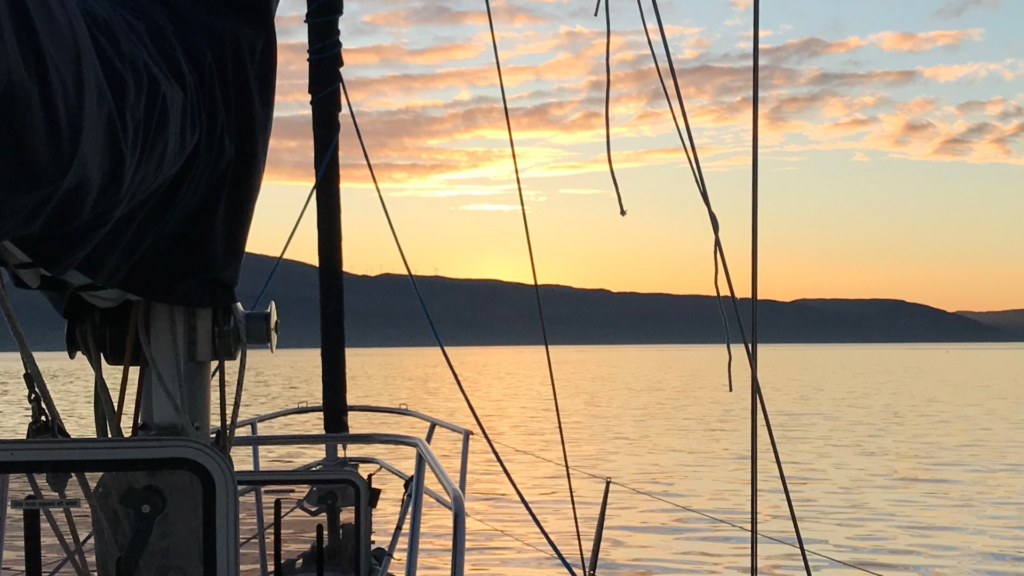
Scotland’s seas are alive with the sound of marine mammals
From harbour porpoises and dolphins to visiting whales, Scottish waters support an increasingly diverse range of marine life.
A Living Marine Landscape
Wildlife, habitats and human pressures
The Firth of Clyde and West coast sea lochs provide important habitat for harbour porpoises, dolphins and visiting whales. Yet much remains unknown about how these animals use the region, where they travel and which areas are most important to them.
Fishing, shipping, coastal development and underwater noise all place pressures on this changing marine environment. Understanding how marine mammals respond is essential to identifying important habitats and informing their conservation.
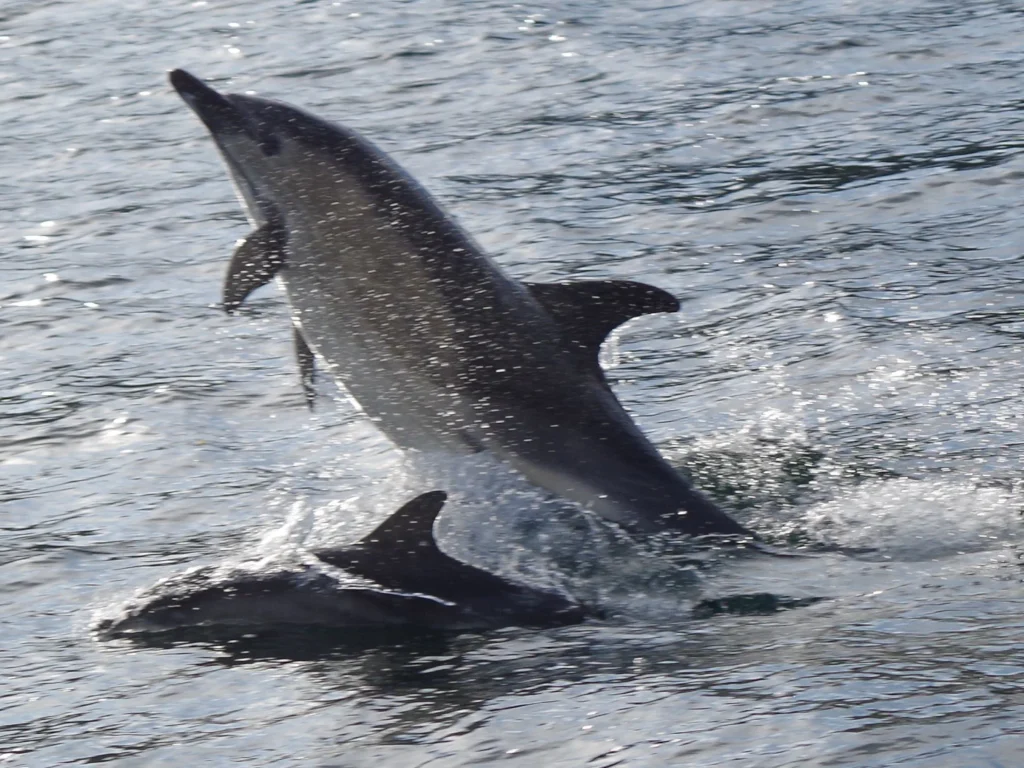
THE ANIMALS
Discover the harbour porpoises, dolphins and visiting whales of the Clyde, and learn about their lives in these remarkable waters.
EXPLORE THE SPECIES →
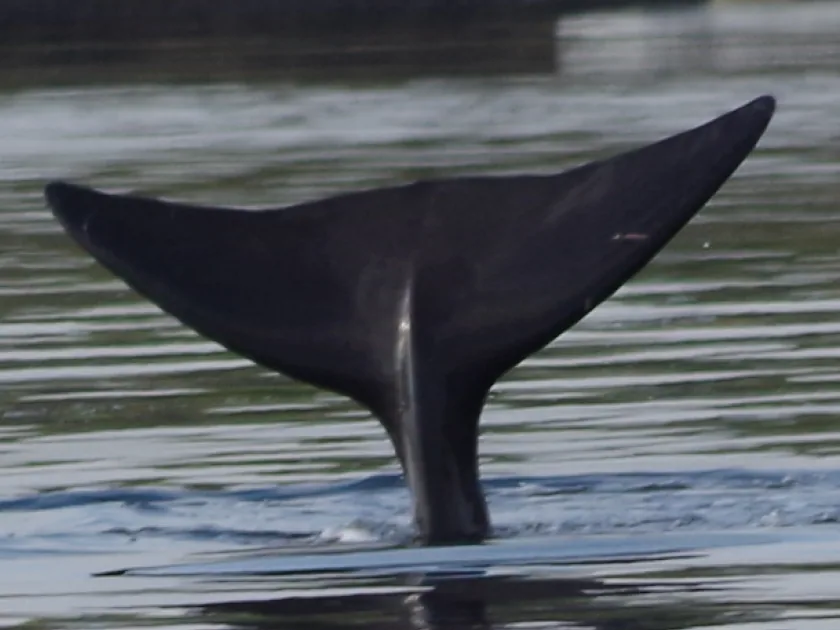
THE HIDDEN WORLD
Through underwater acoustic monitoring, we reveal the sounds and behaviour of marine mammals in a world largely hidden from view.
LISTEN BELOW THE SURFACE →
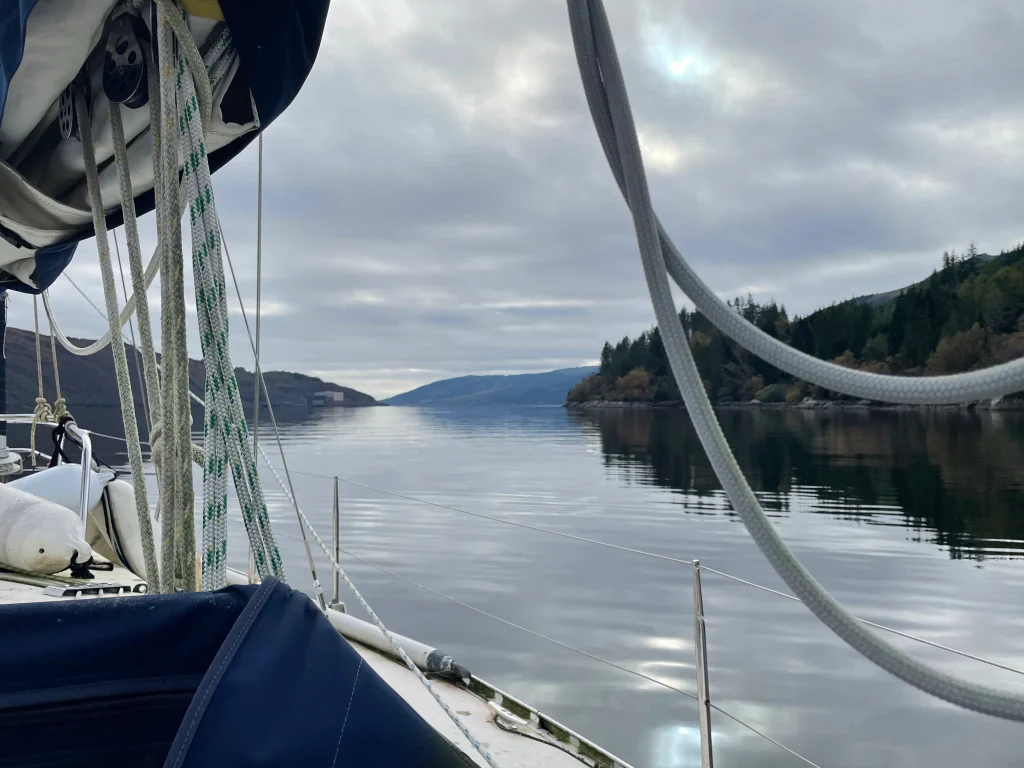
THE CONNECTION
Explore how the Clyde connects with its sea lochs, coastal communities and the wider marine environment of Scotland’s west coast.
EXPLORE THE CONNECTIONS →
We don’t know the whole story!
Marine mammals move across boundaries, connecting the Clyde with the sea lochs, the North Channel, the wider Irish Sea and West coast of Scotland.
Important questions remain about their movements, seasonal presence, preferred habitats and exposure to human activity. Answering these questions will help identify the places and conditions that matter most to their conservation.
What we do
Listening, researching and protecting
Research, monitoring, collaboration and community knowledge all have a role to play.
Monitor & Listen
We undertake vessel-based surveys and use specialist hydrophones to record underwater sounds, revealing marine mammal activity that might otherwise go unnoticed.
Research & Understand
Combining acoustic recordings, field observations and environmental data, we investigate marine mammal distribution, movements, behaviour and the effects of underwater noise.
Connect & Protect
We undertake vessel-based surveys and use specialist hydrophones to record underwater sounds, revealing marine mammal activity that might otherwise go unnoticed.
Research from the Water
Turning observations into evidence
Clyde Porpoise has undertaken vessel-based acoustic surveys around the Firth of Clyde, across the Struth na Maoile and West coast of Scotland collecting recordings and observations that help us investigate harbour porpoise distribution, movements and behaviour.
Our research also examines the underwater soundscape, including vessel noise and other human-generated sounds, and their potential effects on marine mammals.
By combining field observations, acoustic analysis and collaboration, we aim to identify important habitats, improve scientific understanding and contribute evidence to marine conservation. We welcome opportunities to collaborate with researchers and organisations undertaking complementary studies of marine mammals and their environment.
Explore our research →
Acoustic monitoring
Listening beneath the waves
Hydrophones let us listen to a part of our seas that is normally hidden. Porpoise clicks, dolphin whistles, whale calls and vessel noise all leave an acoustic trace that can help us understand when animals are present and what conditions they are experiencing.
By recording over longer periods, acoustic monitoring can reveal patterns that sightings alone may miss — including activity at night, during poor weather and when animals are below the surface.
Research & Field Notes
Survey observations, research findings and perspectives on marine mammals and their environment.
-
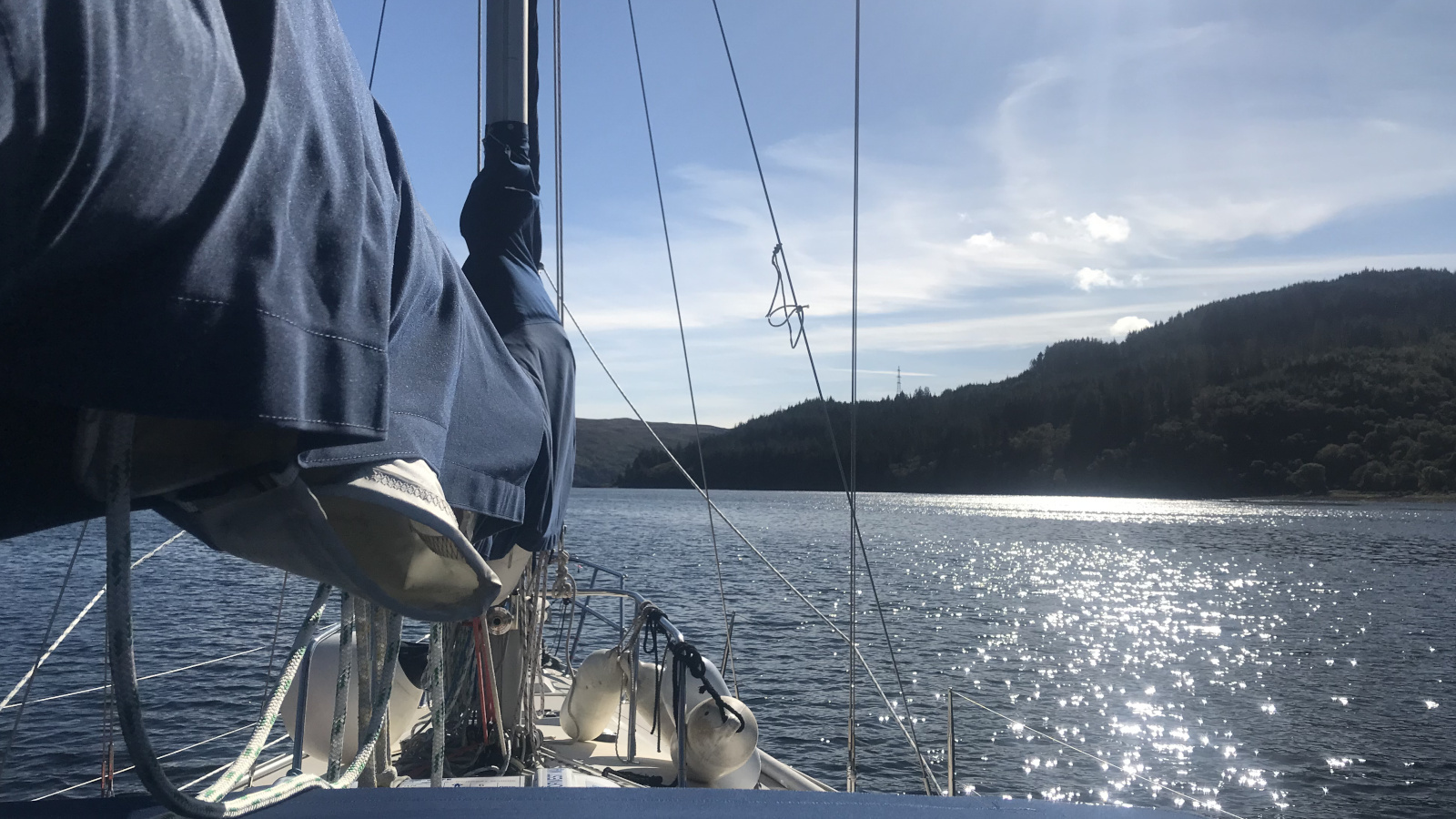
The Changing Clyde: Understanding the Overlapping Pressures on Whales, Dolphins and Porpoises
-
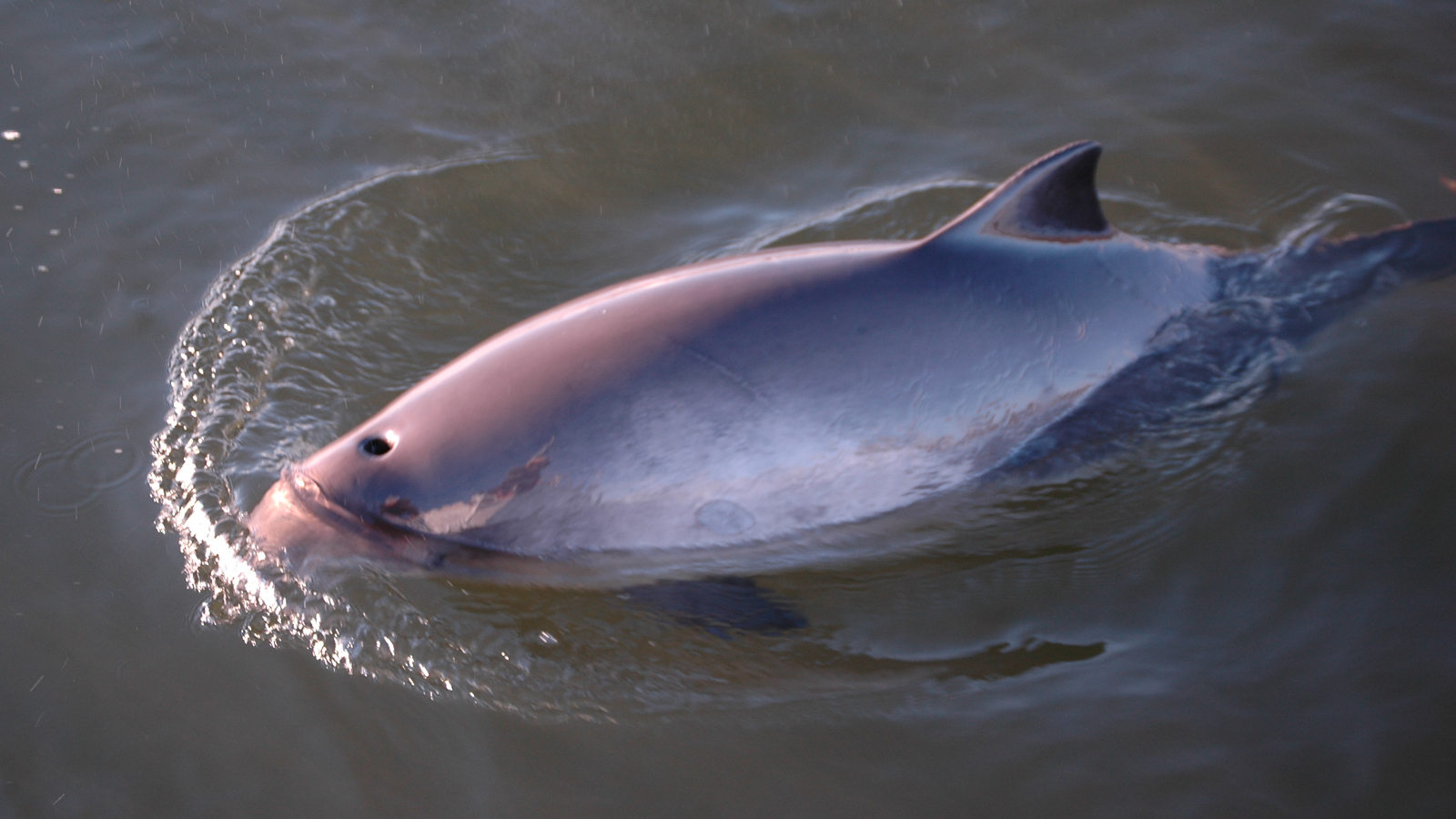
Harbour Porpoises and Fishing Nets: Understanding the Hidden Threat of Bycatch
-
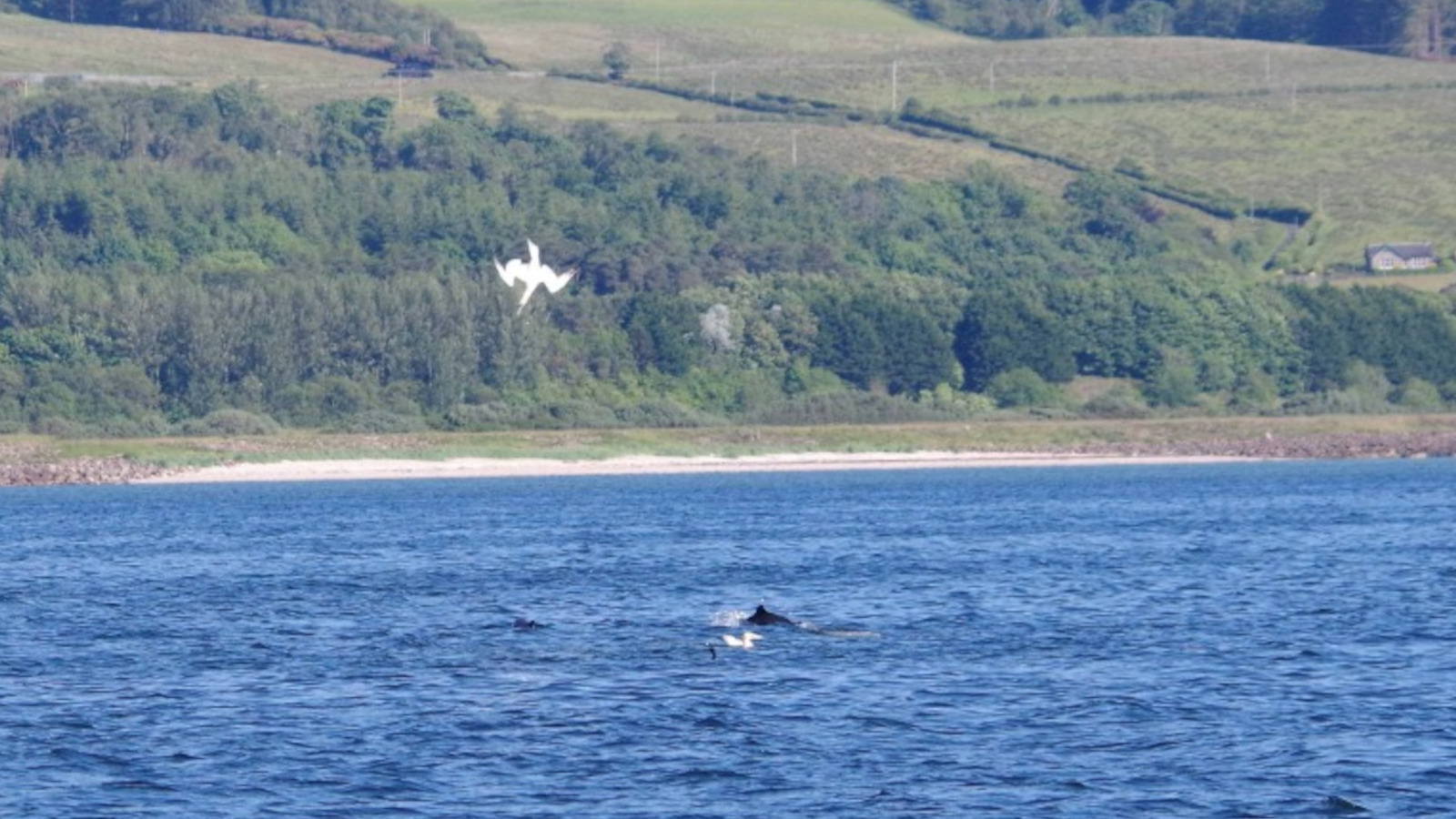
Harbour Porpoises: What Can They Tell Us About the Health of the Clyde?
Get involved
Share your observations
Marine mammal sightings and local knowledge can contribute valuable information about wildlife in the Clyde.
If you’ve encountered harbour porpoises, dolphins or whales, we’d be interested to hear about your observations. We also welcome enquiries from researchers and organisations interested in our work.